

cosmetic active ingredient
Among various skincare, hair care, and personal care products, Cosmetic Active Ingredient is the core that endows products with efficacy. These substances with specific physiological activities can deeply act on the skin, hair, and surface of the human body, improve their condition through scientific principles, and become the key to enhancing personal care effectiveness. Cosmetic Active Ingredients come in a wide variety and can be classified into multiple categories based on their efficacy Active ingredients in cosmetic products such as hyaluronic acid and ceramides can replenish and lock in moisture to the skin, maintaining a hydrated state; Antioxidant ingredients such as vitamin C, vitamin E, coenzyme Q10, etc. can fight against free radicals and delay skin aging; Repairing ingredients such as centella asiatica glycoside and panthenol can promote skin barrier repair and improve sensitivity and redness issues; Hair care active ingredients such as hydrolyzed protein and plant essential oils can nourish hair and enhance hair toughness. In the field of skincare, Cosmetic Active Ingredients are widely used Active ingredients of cosmetics penetrate the stratum corneum of the skin, increase skin moisture content, alleviate dryness and peeling, and keep the skin delicate and smooth; Antioxidants can eliminate free radicals generated by UV rays, environmental pollution, etc. in the skin, reduce collagen loss, prevent fine lines, dullness and other problems, and delay skin aging; The repairing ingredients are targeted at damaged skin, promoting cell regeneration, enhancing skin resistance, and improving various skin problems such as sensitive skin and acne prone skin. In hair care products, actives in cosmetics also plays an important role. Hydrolyzed protein can penetrate the inside of hair, supplement the nutrients lost by hair, improve hair dryness and splitting problems, and increase the softness and luster of hair; Vegetable essential oils, such as rosemary essential oil and lavender essential oil, can nourish the scalp, regulate the secretion of scalp oil, reduce the generation of dandruff, provide a protective film for the hair, reduce the damage of the external environment to the hair, and make the hair healthier and stronger. Cosmetic Active Ingredients can also be seen everywhere in personal care formulas For example, adding soothing active ingredients such as oat extract to shower gel can gently cleanse the skin while relieving dryness and itching; Adding moisturizing active ingredients such as beeswax and vitamin E into lipstick can effectively moisturize lip skin and prevent lip cracking; Adding repairing active ingredients to hand care products can improve rough and prickly hands, keeping them soft and supple. In summary, antimicrobial ingredients in cosmetics , as a class of substances with specific effects, play an irreplaceable role in the fields of skincare, hair care, and personal care. It provides nourishing, repairing, moisturizing and other care effects for the skin and hair through a scientific mechanism of action, meeting people's diverse needs for personal care. With the continuous development of technology, more efficient and safe cosmetic active ingredients will be developed and applied, injecting new vitality into personal care products, helping people better take care of themselves, and improving their quality of life. Cosmetic Active Ingredient FAQs What is Cosmetic Active Ingredient Niacinamide? What are its benefits in skincare products? Niacinamide is a derivative of vitamin B3 that has excellent skincare benefits. It can inhibit melanin transfer, brighten skin tone, and improve dullness. Meanwhile, niacinamide can enhance skin barrier function, reduce water loss, and alleviate dryness and sensitivity. In addition, it can regulate sebum secretion and is suitable for oily and combination skin. Why is cosmetic active ingredient hyaluronic acid called the "moisturizing gold"? Hyaluronic acid is a naturally occurring glycosaminoglycan in the human body, which has a strong water absorption capacity and can absorb 1000 times its own weight of water. In skincare products, it provides long-lasting hydration to the skin by forming a hydration film, improving dryness and fine lines. Hyaluronic acid with different molecular weights can also penetrate into different layers of the skin, achieving three-dimensional hydration and making the skin full and elastic. What are the advantages of cosmetic active ingredient vitamin C derivatives compared to pure vitamin C? Vitamin C derivatives are more stable than pure vitamin C, less prone to oxidation and failure, and can better preserve their activity. It slowly releases vitamin C in the skin, continuously exerting antioxidant effects, neutralizing free radicals, and reducing UV damage. At the same time, it can promote collagen synthesis, fade pigmentation, and even skin tone, making it suitable for long-term anti-aging use. What is the effect of Cosmetic Active Ingredient ceramide on repairing the skin barrier? Ceramide is an important lipid component in the stratum corneum of the skin, which can fill the intercellular lipid deficiency and strengthen the skin barrier. It can reduce transdermal water loss and alleviate dryness, redness, and sensitivity caused by barrier damage. In addition, ceramides can promote keratin metabolism, improve skin roughness, and restore skin health. Cosmetic Active Ingredient Salicylic acid is suitable for which skin type? What is its main function? Salicylic acid is a fat soluble β - hydroxy acid that can penetrate deep into pores to dissolve oil, making it suitable for oily, acne prone, and large pore skin. It can gently exfoliate dead skin cells, unclog clogged pores, reduce blackheads and closed mouths. Meanwhile, salicylic acid also has anti-inflammatory and antibacterial effects, which can alleviate acne redness and prevent acne recurrence.
Finutra devotes to be an integrated supplier for global supply chain, we offer a
broad array of raw materials and functional ingredients
riboflavin 400 mg benefits
Introduction to Coenzyme Q10 Raw Material for B2B Applications In the rapidly evolving nutraceutical and cosmeceutical sectors, the demand for high-purity, bioavailable active pharmaceutical ingredients (APIs) is paramount. Among these, Coenzyme Q10 CoQ10 Powder Raw Material Cardiovascular Health Antioxidant Skin Care stands out as a critical ingredient. Known for its indispensable role in cellula
silymarin complex benefits
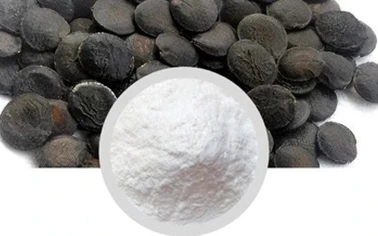
Introduction to Milk Thistle Extract and Silymarin In the dynamic landscape of nutraceuticals and pharmaceutical raw materials, the demand for high-quality botanical extracts with scientifically substantiated benefits continues to escalate. Among these, Milk Thistle Extract Silymarin Powder Liver Protection Chinese Plant Extract stands out as a paramount ingredient. Derived from the seeds of Silyb
garlic extract for colds
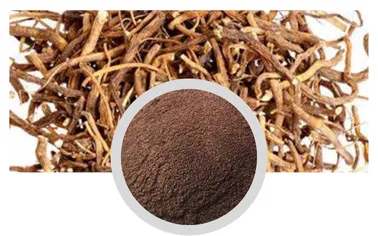
Butcher's broom extract powder has been drawing increasing attention in the world of natural health supplements due to its wide array of potential benefits. This plant-based supplement, derived from the Ruscus aculeatus plant, is traditionally used for its medicinal properties. Let's delve into the specific advantages, backed by both user experiences and scientific research, that highlight its uni
dl alpha tocopherol acetate
Alpha GPC (L-alpha glycerylphosphorylcholine) is a cholinergic compound renowned for its cognitive-enhancing properties and athletic performance support. As a precursor to acetylcholine, it plays a vital role in brain function and muscle activity. This article explores the Alpha GPC 99% product from Hebei Finutra Biotech Co., Ltd. , detailing its features, technical specifications, and application
selenium glycinate complex
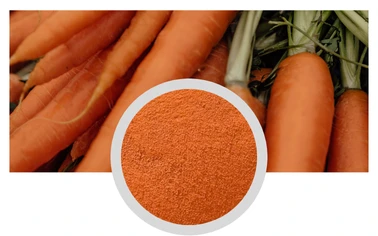
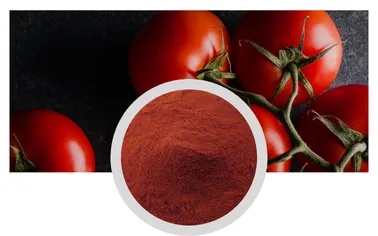
Beadlets Lutein Zeaxanthin Lycopene Microencapsulation is a key solution in the health industry, specifically within Nutritional health products and functional food ingredients and Carotenoid raw materials. This article explores how Hebei Finutra Biotech Co., Ltd. supports professionals with durable, high-performance products, and explains why this product is an ideal choice for businesses in thes
organic epimedium powder
Harnessing the Power of Apigenin Your Guide to a Groundbreaking Natural Compound Apigenin, a natural flavonoid found in several dietary plants, is emerging as a standout compound in the realm of health and wellness products. Its rich presence in common foods such as parsley, chamomile, and celery, coupled with its potential health benefits, has drawn increasing attention from both the scientific c
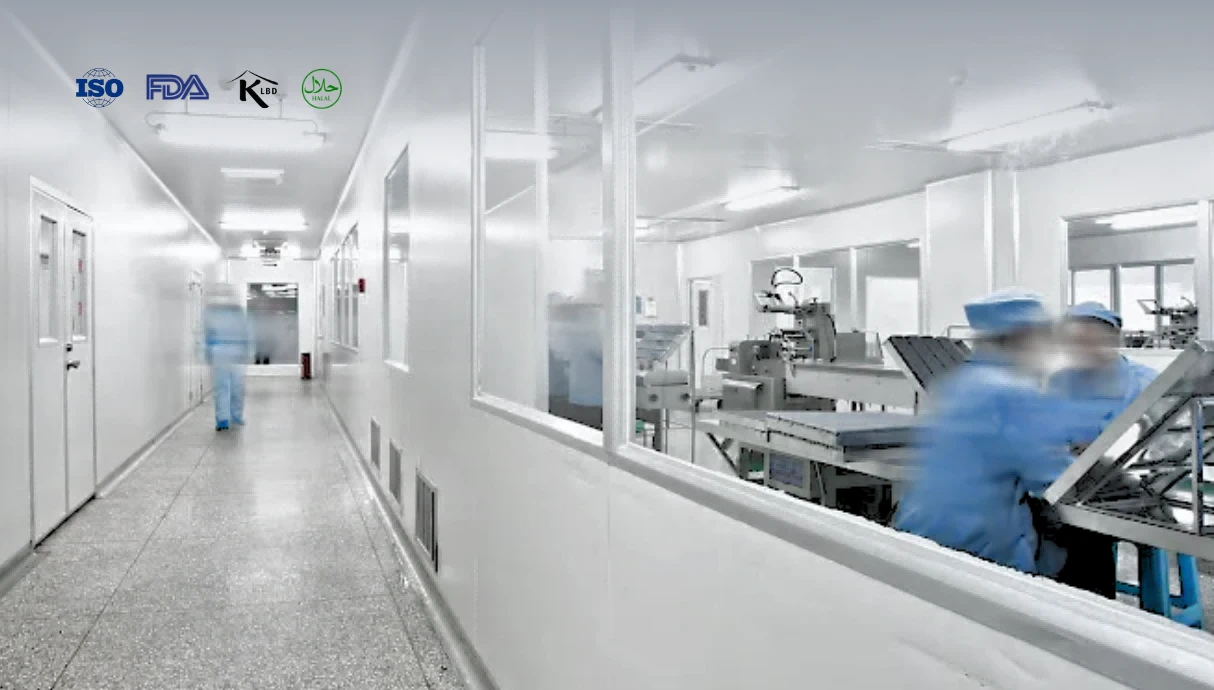
Authoritative Certification
Continuous Innovation, Customer First
Enhance core competitiveness to bring customers better products and services,
Each of these is the result of our team's relentless pursuit of excellence
and our deep commitment to social responsibility.


Global
Reach
FINUTRA has over 350,000 square feet of manufacturing and warehouse
space worldwide.

Industries We Serve

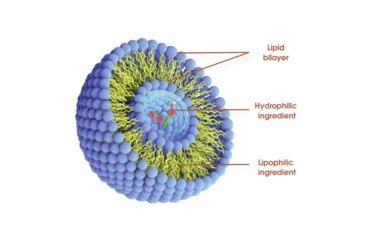
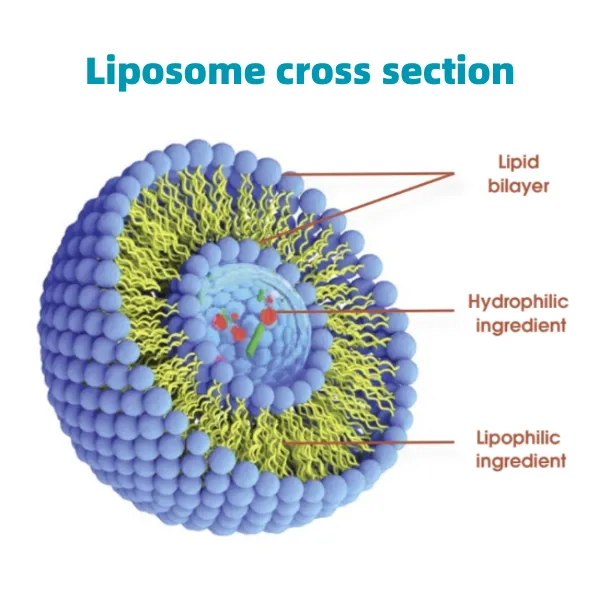
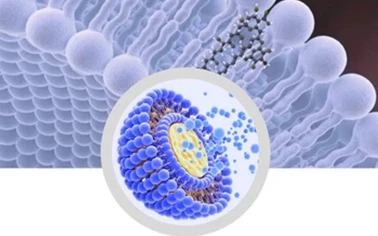
Advanced molecular distillation and microencapsulation
technology. Extremely bioavailable
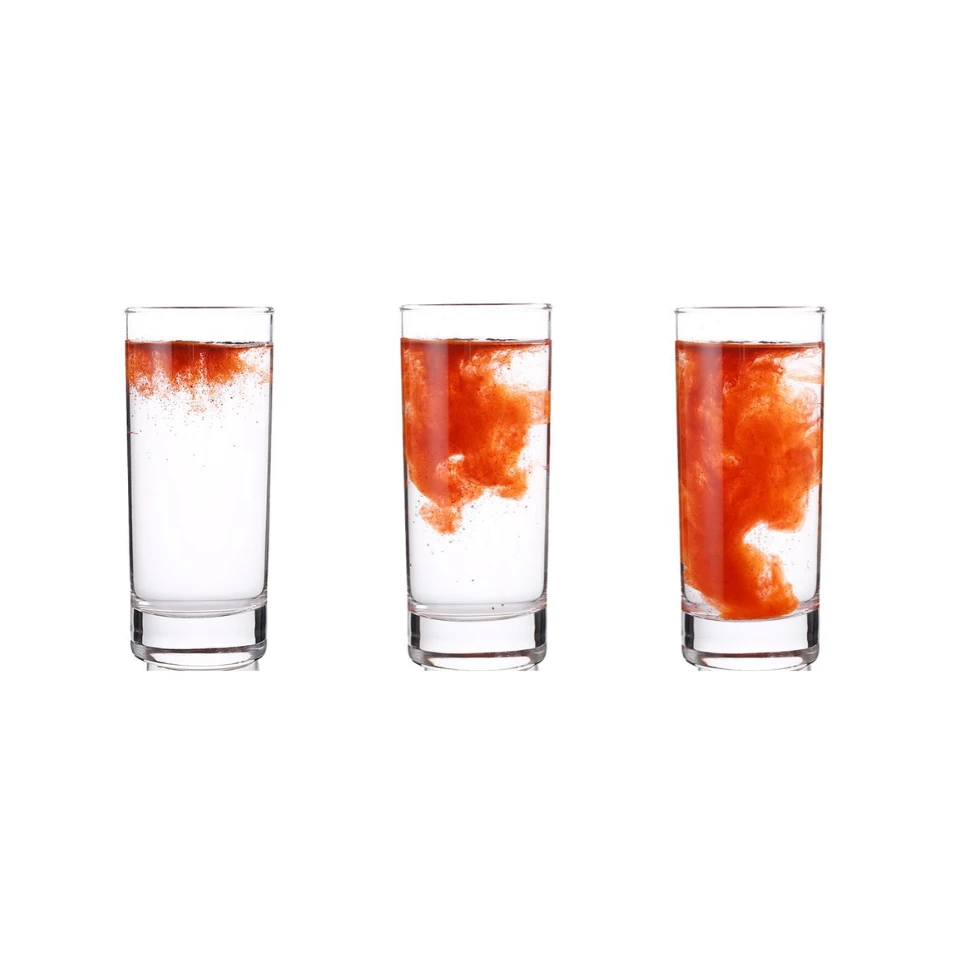
trace carotenoids Intuitively soluble.

STAY UPDATED
Receive special offers and first look at new
products.
products.


Building 23B1, No.2 Yuanboyuan St., Zhengding Area of China (Hebei) Pilot Free Trade Zone
QUICK LINK
Finutra devotes to be an integrated supplier for global supply chain, we offer a broad array of raw
materials and functional ingredients as a manufacturer, distributor and supplier for global Beverage,
Nutraceutical, Food, Feed and Cosmeceutical.
Copyright © 2025 Hebei Finutra
Biotech Co.,
Ltd. All
Rights Reserved.
Privacy Policy


